
Educational Disclaimer: Maple Wealth Guide provides general financial education only. We do not offer financial, investment, tax, or legal advice. Nothing on this website should be considered a recommendation. Always consult a licensed professional for personalized guidance.
The Critical Decade
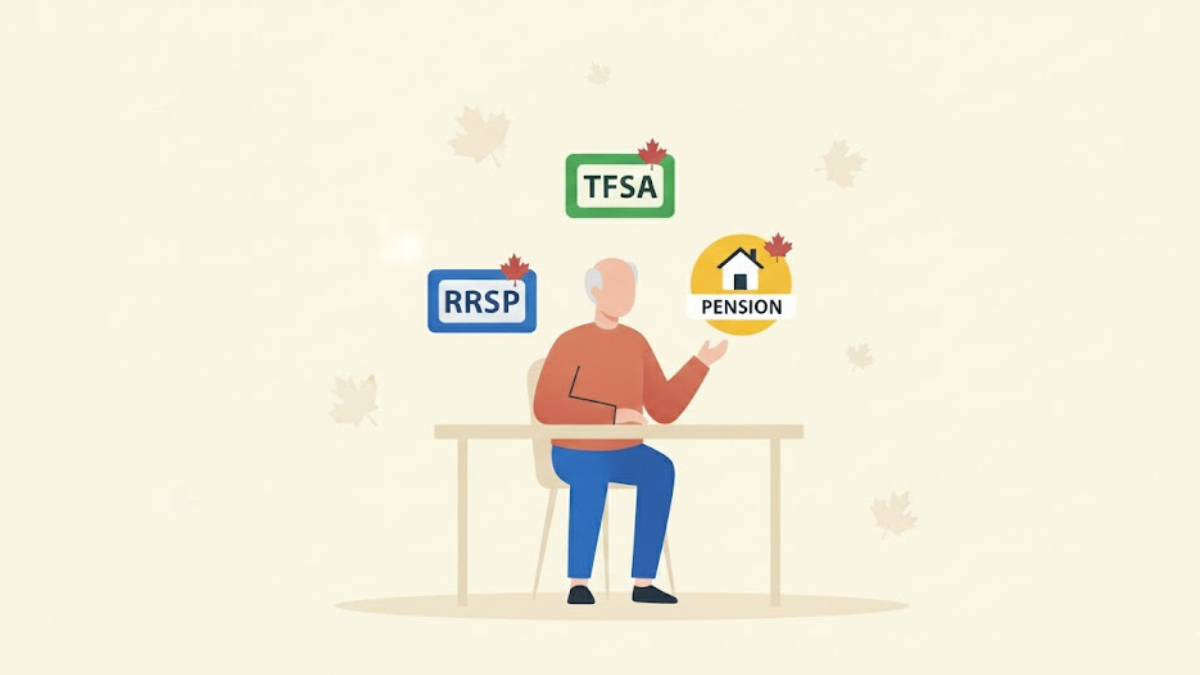
Your 60s are a pivotal time for financial planning. You're likely still earning income while preparing for retirement. The decisions you make now—about CPP timing, RRSP withdrawals, and investment allocation—will impact your financial security for decades.
Key Financial Priorities
Know Your Numbers
Calculate exactly how much you'll need in retirement. Consider:
- Essential expenses (housing, food, healthcare)
- Discretionary spending (travel, hobbies)
- One-time costs (home repairs, helping family)
- Healthcare and long-term care costs
Understanding Government Benefits
Learn about timing decisions for CPP (can start at 60 or delay until 70), OAS (starts at 65, can defer to 70), and any employer pensions. These decisions have permanent implications—consider consulting a professional.
Manage Tax Efficiency
Plan withdrawals to minimize lifetime taxes. Often, drawing down RRSP before age 71 can reduce future OAS clawbacks and provide more flexible income planning.
Investment Considerations
- Gradually shift toward more conservative investments
- Maintain some growth assets to keep pace with inflation
- Consider dividend-paying investments for income
- Keep 1-2 years of expenses in safe, accessible investments
- Review and update beneficiary designations
💡 Note: Don't become too conservative too quickly. You may live 30+ years in retirement and need your portfolio to continue growing.
Debt and Expenses
Ideally, enter retirement debt-free. If you still have a mortgage or other debts, create a plan to eliminate them. Also look for ways to reduce fixed expenses before transitioning to retirement income.
Estate and Healthcare Planning
- Update your will and power of attorney documents
- Review life insurance needs—you may need less coverage
- Consider long-term care insurance
- Discuss your plans with family members
- Organize important documents in one accessible place
The Bottom Line
Your 60s are about preparation and optimization. Take time to plan carefully, consult with professionals when needed, and enter retirement with confidence in your financial foundation.
Subscribe to Educational Updates
Occasional emails with new educational articles and glossary updates about Canadian investing and retirement-related topics. Educational content only.
Educational content only. No financial advice. No calls. Unsubscribe anytime.
View our Privacy PolicyRelated Educational Guides
About Maple Wealth Guide
Maple Wealth Guide is an educational publication that explains investment concepts, retirement-related topics, and personal finance information for Canadians aged 50 and over. We are not licensed financial advisors and do not provide personalized recommendations. All content is for educational purposes only.
Non-Affiliation Statement: Maple Wealth Guide is not affiliated with any banks, brokerages, investment platforms, or government agencies.